Tracing Regulatory Impacts on Bonus Mechanics Within App-Driven Gaming Ecosystems
David Carter · Nov 4, 2026
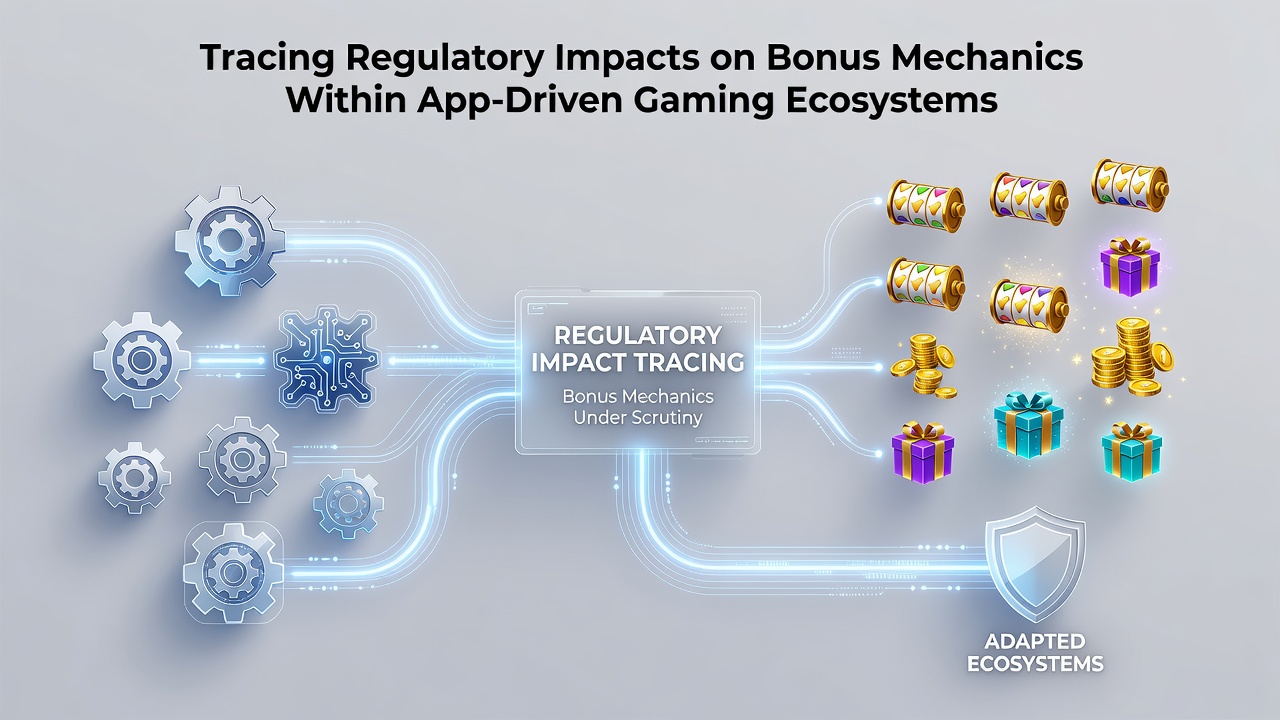
Tracing Regulatory Impacts on Bonus Mechanics Within App-Driven Gaming Ecosystems
Regulatory changes continue to shape bonus mechanics across app-driven gaming platforms, where operators adjust reward structures to align with evolving compliance standards in multiple jurisdictions. Data from industry reports show that these adjustments often involve modifications to wagering requirements, eligibility criteria, and payout timelines, all while developers integrate new features to maintain user engagement within legal boundaries.
Core Elements of Bonus Mechanics in Mobile Gaming
App-driven gaming ecosystems rely on bonus systems that include welcome offers, free spins, deposit matches, and loyalty rewards, each governed by specific rules tied to transaction volumes and player activity. Researchers have documented how these elements function through algorithms that calculate eligibility based on deposit amounts and playthrough thresholds, and platform providers update these calculations frequently to reflect new regulatory directives. Those who've studied transaction patterns note that bonus mechanics often link directly to payment processing systems, creating automated checks that verify user compliance before credits activate.
Developers design these features to operate seamlessly within iOS and Android environments, where app store policies add another layer of oversight on promotional content and data handling practices. Studies indicate that integration between bonus engines and backend servers allows real-time adjustments, such as capping maximum bet sizes during bonus rounds to prevent exploitation, and these technical adaptations have become standard across major platforms since the mid-2020s.
Regulatory Shifts and Their Direct Effects
Jurisdictions worldwide have introduced measures that target bonus mechanics specifically, with authorities in Europe and North America requiring operators to disclose terms more transparently and limit aggressive promotional tactics. According to analyses from the European Gaming and Betting Association, updated guidelines have prompted many apps to revise free spin allocations and match percentages, while similar patterns appear in Canadian provinces where provincial regulators enforce stricter verification for bonus claims. These rules often mandate minimum playthrough periods and restrict bonuses from funding certain game types, forcing software providers to reprogram reward distribution modules accordingly.
Observers note that changes scheduled for November 2026 in select Australian territories will further standardize bonus expiry dates and introduce mandatory cooling-off periods between promotional offers, a move that aligns with broader efforts to synchronize digital gaming practices across state lines. Data shows these upcoming adjustments build on existing frameworks that already limit cross-promotion between affiliated apps, reducing the scope for combined bonus stacking that previously inflated player incentives.
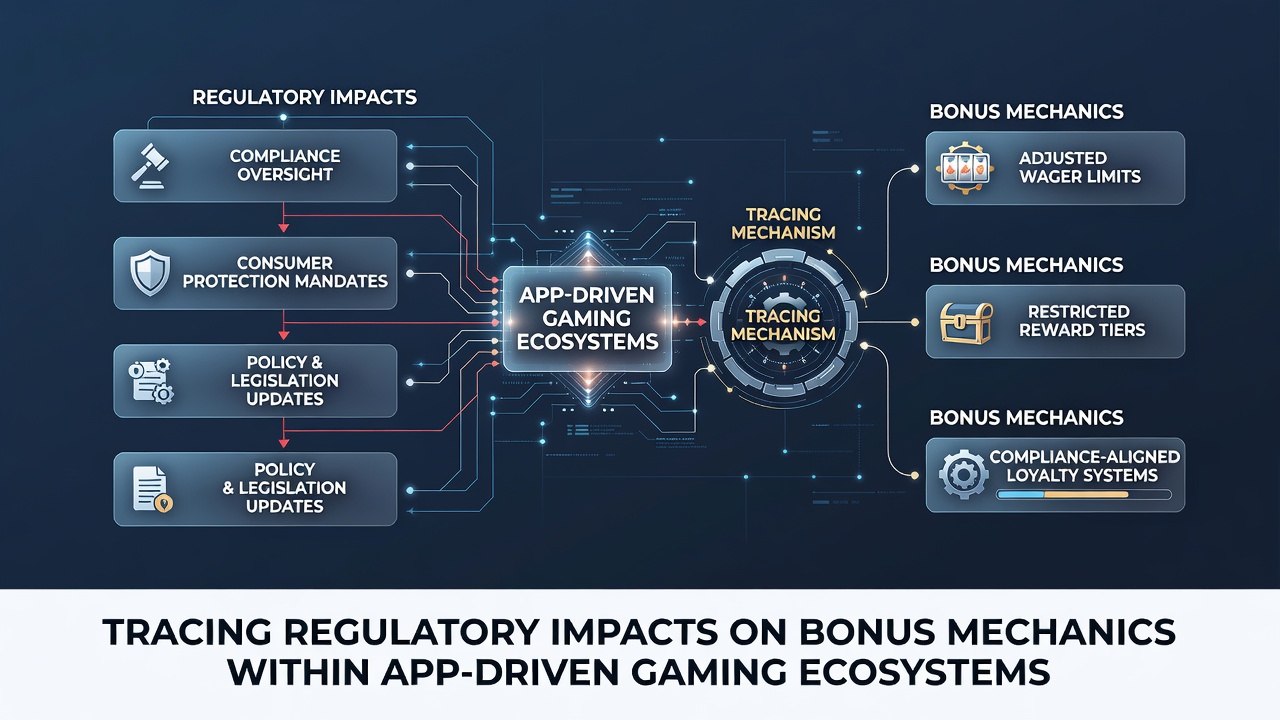
Case Examples from Global Markets
Take one operator in the United States that restructured its deposit bonus system after Nevada authorities clarified rules on promotional credits, resulting in shorter validity windows and enhanced tracking of bonus funds separate from player deposits. Similar adjustments occurred in New Jersey apps, where regulators required explicit separation of bonus balances in user interfaces to improve transparency during withdrawals. Those monitoring these markets report that such modifications reduced certain high-volume bonus strategies while encouraging operators to emphasize skill-based rewards over pure chance elements.
Another example involves European platforms adapting to cross-border directives that prohibit bonuses tied to cryptocurrency deposits, prompting a shift toward fiat-based incentives with built-in responsible gaming triggers. Research from academic institutions has tracked how these transitions affect user retention metrics, revealing that compliant bonus designs maintain engagement levels when they incorporate clear opt-in features and progress indicators visible within the app dashboard.
Technical Adaptations by Software Providers
Software providers respond to regulatory pressures by embedding compliance tools directly into bonus engines, such as automated audits that flag potential violations before offers reach players. These systems use API connections to regulatory databases for real-time validation, and industry reports highlight how this integration streamlines reporting obligations for operators. Experts have observed that providers now prioritize modular bonus architectures, allowing quick reconfiguration when new rules emerge without full app redeployment.
Payment system collaborations play a supporting role here, as processors incorporate regulatory flags that influence bonus eligibility checks during funding events. This setup ensures that bonuses tied to specific payment methods comply with regional restrictions, and data indicates smoother transaction flows in platforms that adopted these features early.
Conclusion
Regulatory impacts on bonus mechanics within app-driven gaming ecosystems continue to drive technical and structural changes that prioritize compliance alongside user experience. Figures from multiple oversight bodies reveal ongoing refinements in how rewards calculate, activate, and expire, with platforms adapting through updated software and clearer disclosures. As frameworks evolve, including those planned for late 2026, operators and developers maintain focus on systems that balance promotional appeal with legal requirements across diverse markets.