Tracing Connections Between User Feedback Patterns and Transaction Options in Mobile Gaming Platforms
Vera Carter · Sep 23, 2026
Tracing Connections Between User Feedback Patterns and Transaction Options in Mobile Gaming Platforms
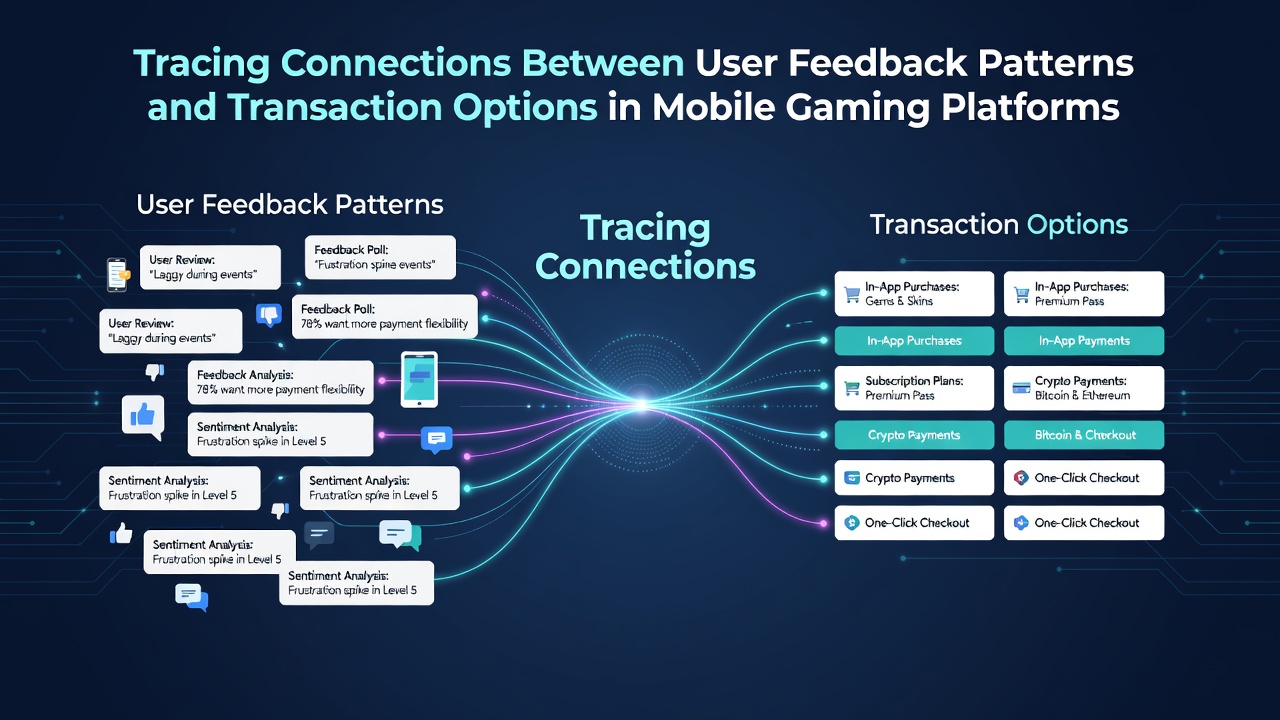
Developers track user feedback patterns closely because transaction options directly shape retention rates and revenue streams across mobile gaming platforms, with data from multiple regions revealing consistent correlations between payment friction and player drop-off. Researchers compile these patterns through app store reviews, in-game surveys, and analytics dashboards that log every completed or abandoned purchase flow, allowing teams to map which payment methods trigger the highest completion rates and which ones generate repeated complaints.
Feedback Loops and Payment Method Preferences
Analysts observe that players who encounter limited transaction choices often leave detailed comments about processing delays or hidden fees, and these comments cluster around specific game genres such as battle royales and simulation titles. Data shows that platforms offering multiple local payment gateways see fewer negative reviews related to billing, while those relying on single global providers receive more reports of currency conversion issues and failed authorizations. In September 2026, several studios plan to release updated dashboards that aggregate feedback by region and transaction type, giving designers clearer signals on where to expand supported methods without overhauling entire billing systems.
Regional Variations in Transaction Success
Studies conducted across North America, Europe, and Asia Pacific indicate that feedback volume spikes when transaction options fail to match local banking habits, such as the preference for carrier billing in parts of Southeast Asia versus credit card dominance in North America. One analysis of over two million mobile game sessions found that users who successfully completed a purchase using their preferred regional method returned to play 34 percent longer on average than those forced through unfamiliar checkout screens. Observers note that these patterns hold steady even when game mechanics remain identical, pointing to transaction friction as an independent variable rather than a secondary effect of gameplay design.
Platform Analytics and Iterative Adjustments
Mobile gaming companies integrate user feedback directly into A/B testing frameworks that compare different transaction flows, measuring not only completion percentages but also the sentiment expressed in follow-up surveys sent within 24 hours of each purchase attempt. These tests reveal that adding an instant refund option reduces negative review rates by measurable margins, while removing an unpopular payment method altogether can trigger a temporary dip in daily active users followed by recovery once alternative options stabilize. Engineers at several large studios have documented how small wording changes on confirmation screens, informed by aggregated comment analysis, lift successful transactions without altering the underlying payment processors.
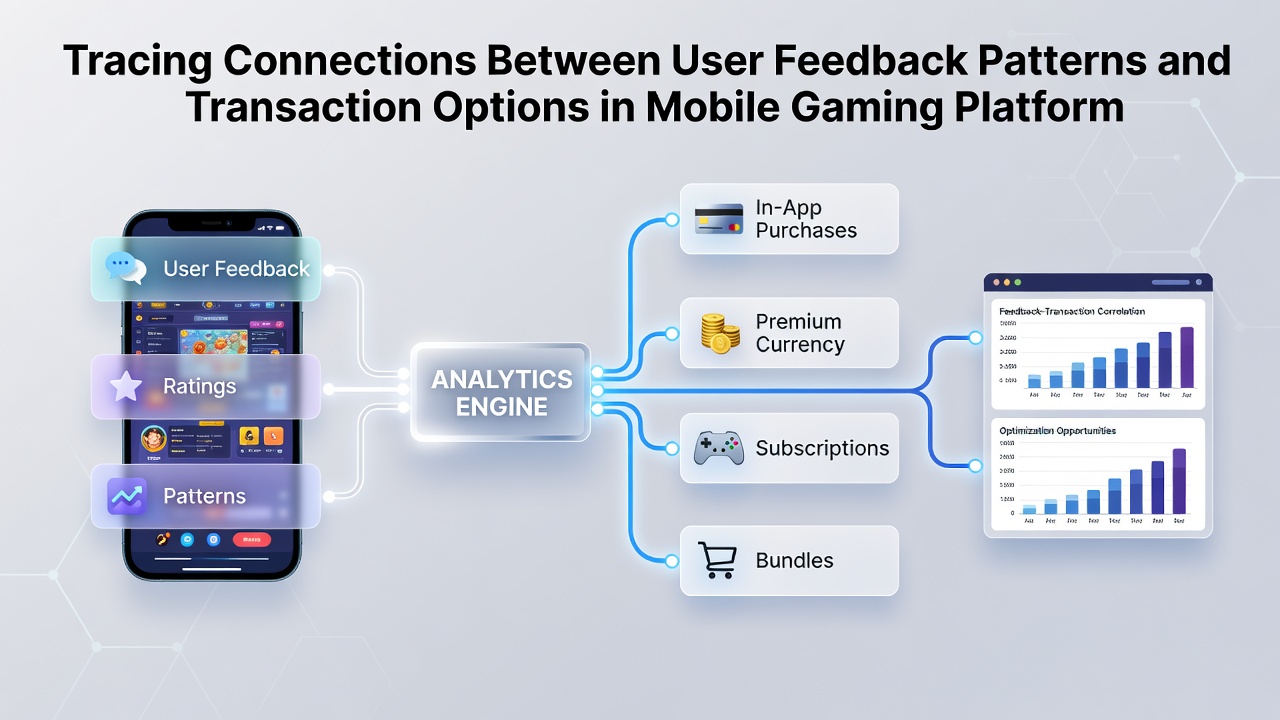
Industry reports from the International Game Developers Association highlight that studios using sentiment analysis tools achieve faster iteration cycles, often deploying refined transaction screens within two weeks of identifying recurring pain points in player comments. The same reports note that platforms incorporating machine learning models trained on historical feedback data can predict which new payment options will receive positive responses before full rollout, reducing the risk of widespread dissatisfaction.
Regulatory Context and Data Transparency
Government agencies in multiple jurisdictions now require clearer disclosure of transaction terms within mobile applications, and developers respond by updating feedback collection forms to capture whether players understood fee structures at the point of purchase. A 2025 study released by the Australian Communications and Media Authority examined over 500,000 app reviews and found direct links between transparent pricing language and lower complaint volumes across both free-to-play and premium titles. These findings encourage platforms to surface more granular transaction history inside games, allowing users to review past purchases and submit targeted feedback without leaving the application environment.
Future Developments in Feedback Integration
Engineers continue to explore real-time feedback mechanisms that surface immediately after a transaction completes or fails, capturing sentiment while the experience remains fresh in the player's mind. Early implementations show higher response rates compared with delayed surveys, and the resulting data feeds directly into machine learning models that adjust recommended payment options based on individual user history and regional trends. As September 2026 approaches, several platforms anticipate releasing enhanced reporting tools that let smaller developers access aggregated feedback insights without building custom analytics infrastructure from scratch.
Conclusion
The documented connections between user feedback patterns and transaction options continue to guide platform improvements across the mobile gaming sector, with ongoing data collection and regional analysis providing the factual basis for these adjustments. Researchers and developers rely on these measurable correlations to refine payment flows, expand supported methods, and reduce friction that previously led to player attrition. As new tools and regulatory requirements emerge, the emphasis remains on transparent data practices that link specific transaction experiences to observable feedback trends.