The Intersection of App Design Elements, Game Catalogs, and Rating Systems in Digital Casinos
Frankie Franke · Oct 21, 2026
The Intersection of App Design Elements, Game Catalogs, and Rating Systems in Digital Casinos
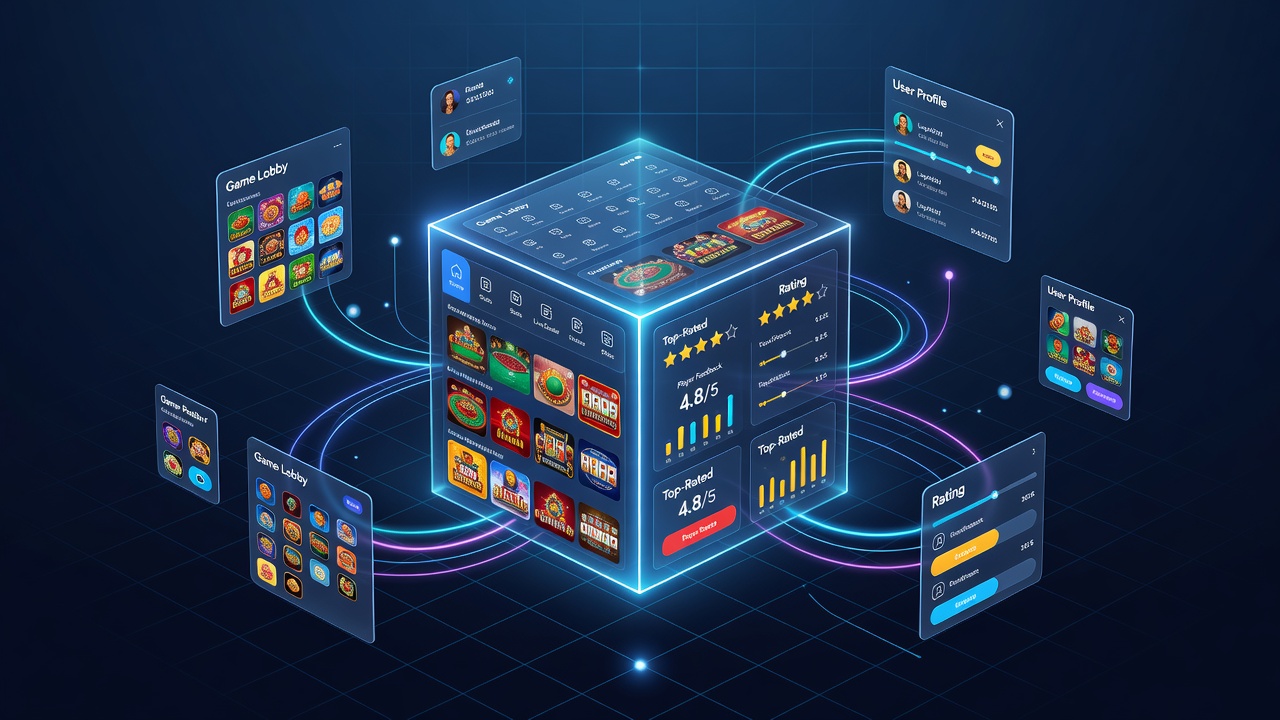
Digital casino platforms integrate app design elements, game catalogs, and rating systems in ways that shape user navigation and content discovery, with these components operating together to organize thousands of titles across mobile and desktop environments. App design determines how players access menus, filters, and search functions while game catalogs compile available titles from multiple software providers, and rating systems aggregate player scores that influence visibility within those catalogs. As of October 2026, several operators have updated their interfaces to include real-time rating displays alongside catalog filters, allowing users to sort games by average scores derived from thousands of completed sessions.
App Design Elements and Navigation Structures
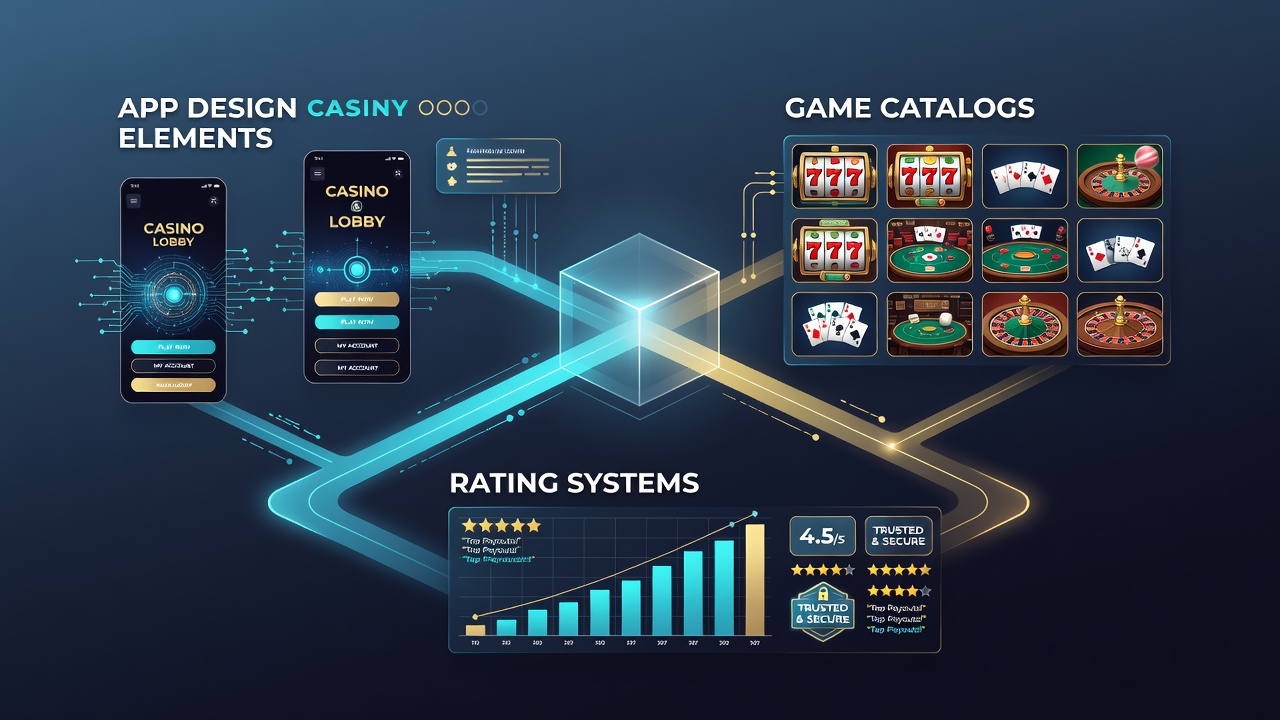
App design elements in digital casinos typically include bottom navigation bars, swipe gestures for category browsing, and collapsible filters that adjust based on screen size, all of which help manage large game libraries without overwhelming the interface. Developers implement color-coded sections to distinguish slots from table games, while progress indicators show loading times for individual titles to reduce wait periods. These choices connect directly to catalog management because a well-structured menu allows quick jumps between featured sections and full lists, whereas cluttered layouts can hide lower-rated games even when they appear in search results.
Game Catalogs and Provider Integration
Game catalogs compile titles from software providers such as NetEnt, Playtech, and Microgaming, with operators organizing them through tags for volatility levels, return-to-player percentages, and theme categories that update when new releases become available. Data from industry reports indicate that catalogs often exceed 2,000 titles on major platforms, requiring algorithms to prioritize recent additions or high-traffic games. When rating systems feed into these catalogs, titles with consistent four-star averages from verified accounts gain placement in recommendation carousels, creating a feedback loop where player evaluations affect future visibility.
Rating Systems and Data Aggregation
Rating systems collect numerical scores and written reviews submitted after gameplay sessions, then display averages alongside each title in the catalog to guide selection. Platforms pull this information from both in-app submissions and external review sites, applying verification steps to limit duplicate entries from single accounts. According to figures released by the European Gaming and Betting Association, aggregated ratings now influence more than 40 percent of game discovery paths on mobile applications across participating member operators. These systems also track session duration and completion rates alongside star scores, providing operators with additional metrics that refine catalog sorting options over time.
Intersections Across Platforms in 2026
The intersection becomes evident when design elements surface rating data within catalog views, such as star icons that appear next to thumbnails and adjust dynamically when new reviews arrive. In October 2026 several platforms introduced toggle switches that let users hide titles below a chosen rating threshold, which in turn reduces the visible catalog size while maintaining access to full libraries through advanced search. Observers note that this combination affects how providers time new game launches, since early rating accumulation can determine whether a title receives prominent placement in featured sections or remains buried in deeper menu layers.
Regulatory updates in multiple jurisdictions have required clearer disclosure of how ratings factor into catalog ordering, prompting operators to document their algorithms in public compliance reports. The Alcohol and Gaming Commission of Ontario has published guidelines requiring transparent explanations of any automated systems that elevate or demote games based on player feedback, and these rules took expanded effect during the second half of 2026. Such requirements encourage developers to build interfaces that display both average scores and the number of ratings contributing to each average, giving users context for the numbers they see.
Technical Implementation and Catalog Updates
Behind the scenes, application programming interfaces connect design components to live catalog databases, pushing rating changes to user screens within minutes of submission while maintaining separate queues for moderation review. This setup allows seasonal events, such as themed game collections, to incorporate rating thresholds so that only titles above a platform-specified score appear in limited-time promotions. Research from academic sources on user interface patterns shows that when ratings appear in close proximity to game artwork, selection rates shift measurably compared to catalogs that present scores only after a title loads.
Operators track these shifts through internal dashboards that log filter usage and time spent on catalog pages, then feed the results back into design iterations scheduled for quarterly releases. In regions outside the United Kingdom, licensing conditions increasingly reference the need for balanced presentation of both popular and lower-rated titles, preventing rating systems from creating de facto exclusion zones within otherwise comprehensive game libraries.
Conclusion
The interplay among app design elements, game catalogs, and rating systems continues to evolve as platforms refine how numerical feedback influences content presentation. Operators apply these mechanisms to organize expanding libraries while meeting disclosure standards set by regulators in Canada, Europe, and Australia. Continued monitoring of rating distributions and navigation metrics will determine how future interface updates maintain both accessibility and transparency across digital casino environments.