How Regulatory Shifts Reshape Reward Structures and Game Accessibility Across Digital Platforms
Tina Keller · Aug 25, 2026
How Regulatory Shifts Reshape Reward Structures and Game Accessibility Across Digital Platforms
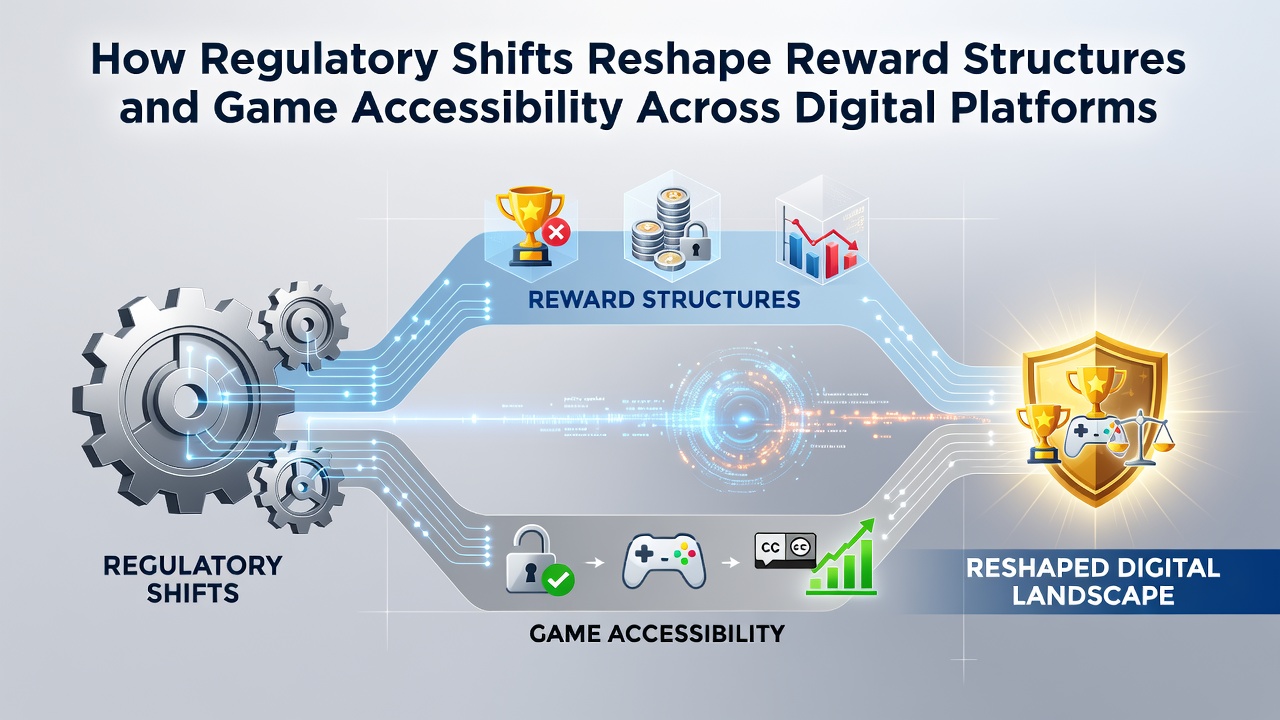
Regulatory frameworks across multiple regions continue to evolve and they directly influence how digital platforms structure rewards while they also determine who can access certain games and features. Data from industry reports shows that changes in compliance requirements often force operators to revise bonus systems, loyalty programs, and promotional offers in order to meet new standards for transparency and consumer protection. These adjustments frequently coincide with stricter rules on age verification, geographic restrictions, and responsible gaming tools that affect overall platform accessibility.
Recent Regulatory Developments Across Regions
Authorities in Europe, North America, and Australia have introduced or updated guidelines that target digital entertainment sectors including online gaming and interactive platforms. The European Commission released documentation in 2025 outlining stricter disclosure rules for in-game purchases and reward mechanics while Canadian provincial regulators implemented enhanced verification protocols effective through mid-2026. Observers note that these measures aim to standardize practices yet they create varied compliance landscapes depending on jurisdiction.
Platforms operating across borders must therefore adapt reward structures to satisfy the most stringent requirements they encounter. For instance, loyalty point systems that previously allowed rapid accumulation now incorporate mandatory cooling-off periods in several markets because new rules require clearer separation between promotional rewards and actual gameplay progress. This shift alters how users interact with incentive programs and it changes the pace at which rewards become available.
Changes to Reward Structures
Operators respond to regulatory pressure by redesigning bonus offerings and they frequently replace flat-rate promotions with tiered systems that include spending caps and eligibility checks. Research indicates these modifications reduce instances of excessive play while they maintain engagement through more measured reward distribution. Payment processing integrations also face scrutiny because regulations increasingly require clear separation between deposited funds and bonus credits to prevent confusion during withdrawals.
One study from a European research consortium revealed that platforms adopting real-time reporting tools for reward redemptions experienced fewer compliance issues after the updates took effect. Meanwhile, some operators introduced dynamic reward adjustments that scale based on user activity patterns tracked through approved monitoring software. These technical changes ensure alignment with rules governing fair play and they help platforms avoid penalties associated with misleading promotional practices.
Impact on Game Accessibility
Accessibility modifications appear in multiple forms including enhanced age-gating mechanisms, location-based content filtering, and mandatory responsible gaming prompts that appear at regular intervals. Regulators in Australia through the communications authority have emphasized geo-fencing requirements that limit game availability to approved regions while Canadian frameworks focus on identity verification layers that integrate with national databases. Such measures directly affect how quickly new users can enter platforms and they influence the types of games visible to different demographics.
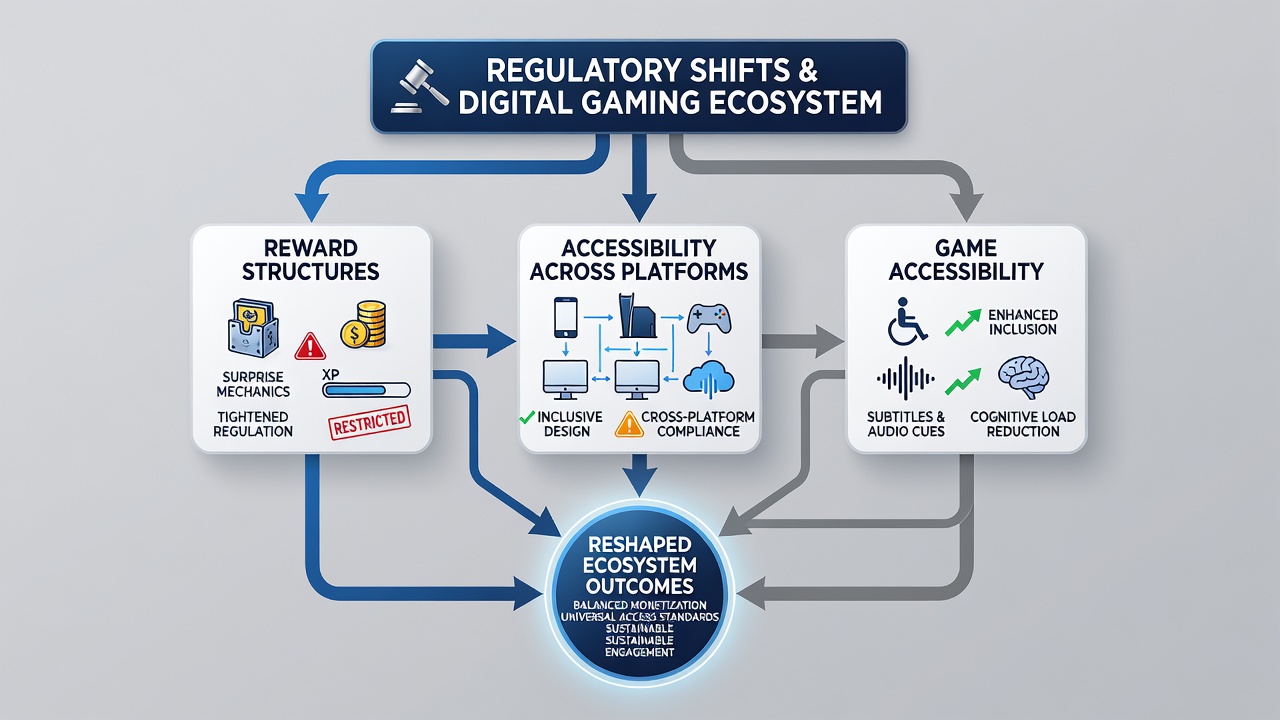
Software providers collaborate with platform operators to embed these controls at the development stage rather than applying them retroactively and this approach reduces implementation costs while it improves consistency across devices. Data shows that platforms investing early in modular accessibility features encounter fewer disruptions when new rules activate and they maintain higher user retention rates compared to those making last-minute adjustments.
Examples from Multiple Jurisdictions
Take the case of operators serving multiple European markets where reward caps tied to verified spending limits became mandatory in several countries during 2025. Those who adapted their systems ahead of deadlines reported smoother transitions and fewer user complaints about restricted access. In contrast, platforms in regions preparing for August 2026 updates have begun testing revised reward models that incorporate mandatory play limits tied directly to promotional offers.
Industry associations such as the European Gaming and Betting Association have published guidance documents that help operators interpret overlapping regulations and they provide templates for compliant reward structures. Similarly, academic researchers at institutions examining digital policy have documented how accessibility features like customizable interface options improve compliance without sacrificing user experience across diverse player groups.
Looking Ahead to August 2026
Scheduled implementations in August 2026 will introduce further refinements to reward transparency and accessibility standards in several key markets. Platforms anticipate additional requirements for real-time auditing of bonus distributions alongside expanded options for users to set personal limits on game sessions. These upcoming changes build on existing frameworks and they encourage continued investment in adaptive technology that supports both regulatory adherence and broader platform functionality.
Conclusion
Regulatory shifts continue to drive measurable changes in how digital platforms design rewards and manage access and evidence from multiple regions demonstrates consistent patterns of adaptation. Operators that integrate compliance considerations early maintain operational stability while they meet evolving standards for consumer safeguards. As new rules approach implementation dates such as August 2026, the focus remains on systems that balance engagement features with required protections across all user interactions.